Woks retain a designated location in the kitchen, specially for people that love the sizzle and speed of stir-frying. Yet, while it comes time to buy one, a classic debate arises: cast iron wok or carbon metal wok? Both have a legion of devoted lovers, and both can flip out smoky, restaurant-satisfactory delicacies within the excellent arms. But past the advertising and nostalgia, which sincerely fits your cooking sort, your stove, and your expectancies?
Let’s step into the heat and appearance heavily at how these two iconic components stack up, drawing from palms-on use, kitchen mishaps, and tough-won lessons over many foodstuff.
The Heart of the Wok: What Sets Cast Iron and Carbon Steel Apart
Cast iron and carbon metallic share some DNA. Both are iron-based mostly alloys, equally require seasoning, and equally improve a pure nonstick surface through the years. Yet their changes run deep, shaping how they cook dinner, how they consider, and what maintenance they demand.
Cast iron woks, fairly those made in China, are more often than not thinner and lighter than their Western skillet cousins. Still, in contrast to carbon steel, they continue to be heavier and slower to respond to changes in heat. Some American-made forged iron woks, like those from Lodge, are thick and virtually indestructible, yet can weigh upwards of 10 pounds.
Carbon metal, by way of evaluation, is lighter and greater bendy. A commonplace 14-inch carbon metallic wok not often exceeds 3 pounds. It heats up in a flash and cools easily whilst taken off the burner. The metal is softer and might warp if overheated, though in every day use it truly is infrequently a hassle.
The precise-international impression of those changes emerges if you start out tossing greens, searing meat, or flipping fried rice in the dark after an extended day.
Cooking Performance within the Real Kitchen
Heat Distribution and Responsiveness
A wok’s magic lies in its means to convey intense warmness where you desire it and quick cooling once you don’t. Professional kitchens use jet-engine wok burners that positioned out 100,000 BTUs or greater - house chefs rarely have that luxurious.
Here’s in which the material subjects. Carbon metal excels on such a lot home stoves because it heats up fast and responds fast whenever you lift or scale back the flame. When making a conventional stir-fry, the ones split-second transformations guide you forestall burning garlic or overcooking bok choy. If you desire to reap wok hei - that elusive smoky taste - the pan must sear food impulsively. Carbon steel’s thinness enables maximize whatever thing heat your own home burner can muster.
Cast iron, being thicker and denser, takes longer to warm up however holds onto temperature stubbornly. This will likely be an asset for those who prefer to retailer meals hot for serving or in case you’re simmering a braise after an preliminary sear. However, for speedy-moving stir-fries, it is going to sense sluggish. You can also in finding yourself waiting impatiently for the wok to preheat or struggling to chill things down if anything starts offevolved to scorch.
I’ve discovered that with exercise, you will make amends for forged iron’s slower response by planning in advance - preheating longer, adjusting your strategy, possibly even accepting a chunk much less wok hei in alternate for reliability. But in the event you crave cut up-second handle, carbon steel wins hands down.
Nonstick Properties and Seasoning
Both cast iron and carbon metallic require seasoning. This layer of polymerized oil promises the two rust coverage and a obviously nonstick floor.
With universal use and suitable care, both wok can boost a pretty patina. Carbon metallic seasons without delay - after quite a few chefs you’ll see darkening and advanced unencumber. Cast iron can take longer to accumulate a deep patina however has a recognition for top-quality nonstick performance once wholly professional.
Anecdotally, I actually have determined carbon steel greater forgiving within the early days. Even after one or two seasoning classes, fried eggs or tofu infrequently stick stubbornly. Cast iron often times clings originally unless seriously oiled. Over months of use, both elements was nearly slick as Teflon - yet in basic terms if you happen to retain up with cleansing and oiling.
Weight and Handling
If you intend to toss substances with one hand at the same time wielding a spatula inside the other (the way many Chinese cooks do), weight concerns. Carbon steel woks are nimble - even a 14-inch wok is easily lifted and shaken with a single arm. Cast iron woks can experience like lifting a bowling ball, distinctly whilst loaded with food.
For those with wrist complications or limited higher physique power, carbon steel is most likely the friendlier possibility. If you value steadiness and don’t thoughts relocating the pan less in many instances, cast iron’s heft can be a boon.
Practical Maintenance: Keeping Your Wok Happy
Let’s be honest: neither cloth is as fuss-unfastened as stainless-steel or nonstick-covered pans. Both demand recognize in cleaning and storage.
Cleaning Rituals
After each and every use, carbon metallic woks are most excellent wiped clean with hot water and a delicate scrubber. Soap can strip seasoning if used too aggressively. Dry accurately over heat to stay away from rusting, then wipe with a thin sheen of oil.
Cast iron follows an identical regulations but is much less likely to warping underneath thermal surprise (like rinsing a hot pan in bloodless water). However, its rougher floor can lure food bits extra stubbornly, requiring a bit greater elbow grease. Some cooks even keep a dedicated brush just for their forged iron wok.
If rust seems on either fabric - and it may eventually if uncared for - it will probably probably be scrubbed off and reseasoned devoid of lasting injury.
Storage Concerns
Carbon metallic woks are thin enough to cling from a hook or nest within other pans. Cast iron woks demand sturdier garage recommendations via their weight and bulk. I’ve cracked a kitchen shelf with the aid of stacking a heavy solid iron wok atop glassware - not advisable.
Both will have to be saved dry and gently oiled. Covering with a paper towel can lend a hand take in stray moisture.
Versatility Beyond Stir-Fry
Woks are renowned for flash-frying greens and meat, yet either fabrics maintain a great deal more. I’ve used my woks for deep-frying chicken wings (the sloped sides make splatter less of a possibility), steaming dumplings above simmering water, or even baking flatbreads right away inside the bowl-fashioned pan in a pinch.
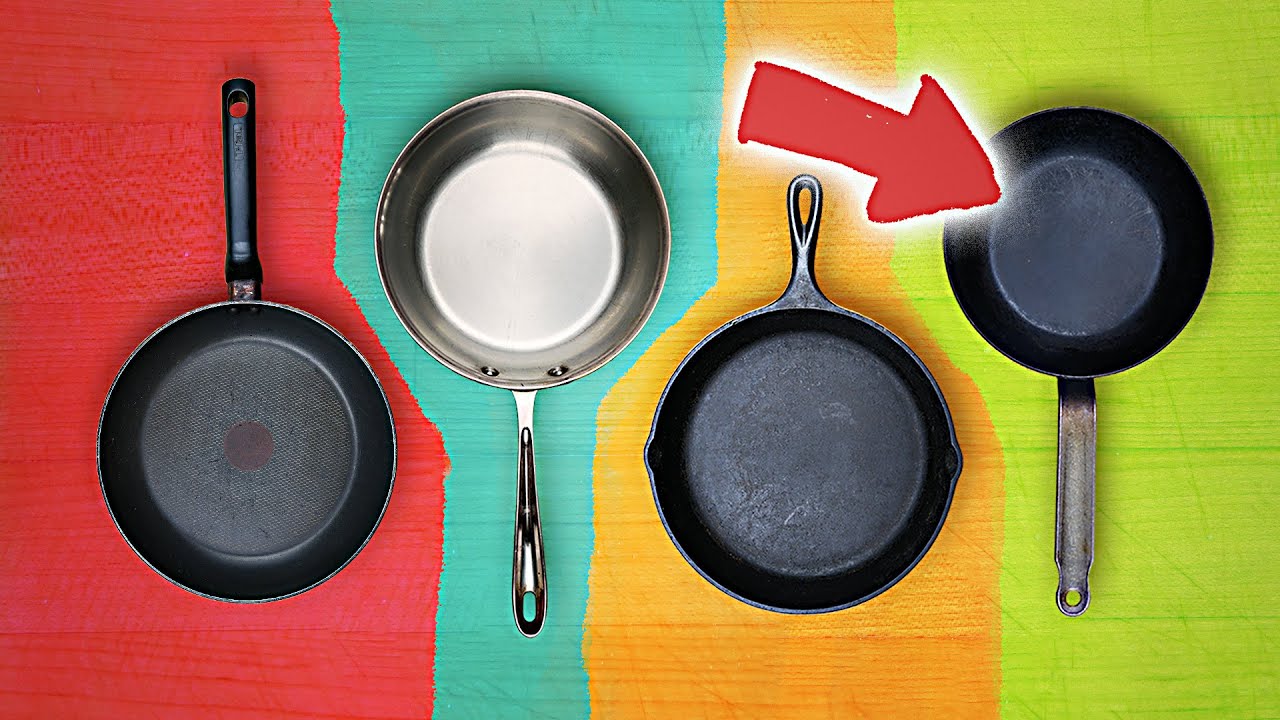
Cast iron shines where gradual heat retention is an asset: braises, stews, even shallow frying the place temperature steadiness topics so much.
Carbon metallic excels whilst immediate transitions are key: hot-and-instant sears, dry-to-moist cooking (like adding broth after frying aromatics), or while you need crispy textures with no overcooking the internal.
The Stove Factor: Gas vs Induction vs Electric
Your option of wok may hinge on what style of stove you've got at residence.
Gas stoves deliver both ingredients a reasonable shot yet play fantastically effectively with carbon metal’s rapid heating competencies. Flat-bottomed woks (which work more desirable on Western stoves) are many times obtainable in each material.
Electric stoves fight to supply high warm due to a spherical-bottomed wok except you employ a heavy forged iron adaptation that continues heat greater flippantly across the base. Induction cooktops demand flawlessly flat bottoms; a few carbon steel woks warp ever so just a little through the years and lose touch with the cooktop. Cast iron’s tension prevents this predicament.
That referred to, if you happen to crave the typical spherical-bottom sense and very own purely an electrical or induction stove, there are workarounds: wok jewelry for gasoline stoves or really expert induction woks with magnetic coils built into the pan itself. For most house chefs on Western home equipment, a flat-bottomed carbon metal wok can provide the terrific combination of tradition and practicality.
Buying and Breaking In: What to Expect
Price Points
A remarkable carbon metal wok is unusually cheap - so much fall between $30 and $60 USD for a reputable emblem like Joyce Chen or Craft Wok. Cast iron woks can latitude from $forty for skinny Chinese items as much as $a hundred and twenty or extra for thick American-made editions.
Don’t be seduced via nonstick-covered woks promising “cast iron” merits however requiring none of the upkeep. Those coatings infrequently continue to exist the high warmth actual wok cooking demands.
The First Seasoning
Both versions arrive covered in manufacturing unit oil or protecting lacquer that have got to be scrubbed off formerly first use. For carbon steel, this indicates a energetic wash observed by means of heating except faintly smoking and making use of layers of oil sometimes until the surface darkens. Some chefs use pork fats and even onion skins during this technique for richer shade and aroma.
Cast iron most often comes pre-pro from American makers but merits from a further circular of seasoning at domicile. For Chinese forged iron woks (most commonly uncooked), apply the identical system as carbon metal however count on it to take longer for deep blackness to grow.
Expect some smoke at some stage in preliminary seasoning - open windows are obligatory unless you would like your smoke alarm serenading you.
When One Material Outshines the Other
No pan is most suitable for each and every scenario. Over years of cooking for domestic dinners and overdue-night time experiments alike, I’ve came upon that every wok variety has moments in which it shines:
- Cast iron: Best whilst warmth retention concerns extra than speed. Braises with chunks of short rib or white meat merit from consistent warmth. If you adore leaving nutrition in the pan at the desk for communal sharing - scorching pot genre - cast iron retains issues piping sizzling. Carbon steel: My pass-to for lightning-swift stir-fry foods. When I teach buddies methods to make charred inexperienced beans or kung pao chicken at domestic, I hand them my trusty carbon metal wok every time.
The Human Element: Stories from the Stove
I’ll on no account put out of your mind my first try out at pad thai in a brand new residence making use of an historical forged iron wok my uncle exceeded down. I waited patiently for the pan to warmness up, basically to detect halfway via cooking that my electrical burner couldn’t shop up with the pan’s thermal mass. The noodles stuck quite yet developed a comforting chewiness I’d in no way completed sooner than - an unforeseen present from the pan’s sluggish-and-steady mindset.
Years later, running in a cramped kitchen with in basic terms a transportable gas burner and a beat-up carbon metal wok received at a Chinatown industry for $20 dollars, I realized properly wok hei for the first time. The pan’s responsiveness enable me char scallions and toss every part with abandon with out fear of sticking or sizzling.
Both pans nevertheless have pleasure of vicinity in my kitchen right now. Whether I succeed in for forged iron or carbon steel relies upon on the dish - and my mood.
The Numbers Game: Quick Reference Table
For people that desire the details at a glance:
| Feature | Cast Iron Wok | Carbon Steel Wok | |------------------------|-------------------------|-------------------------| | Weight | five-10 lbs (2-4.five kg) | 2-three lbs (0.9-1.four kg) | | Heat Up Speed | Slow | Fast | | Responsiveness | Low | High | | Heat Retention | Excellent | Moderate | | Seasoning Difficulty | Moderate | Easy | | Nonstick (Once Seasoned)| Superb | Very Good | | Price Range | $forty-one hundred twenty | $30-60 | | Rust Resistance | Moderate | Moderate | | Stovetop Compatibility | All (flat bottom very best) | All (take a look at flatness) | | Ideal Use | Braising, table carrier | Stir-fry, quickly sear |
Quick Decision Checklist
If you’re nevertheless torn at the shop shelf or looking on-line opinions overdue at night, here’s a streamlined list for deciding on among solid iron and carbon metallic woks:
Do you significance velocity and keep watch over peculiarly?Go for carbon metallic. Do you commonly serve own family-type nutrients directly from the pan?
Cast iron’s warmth retention shines. Is wrist relief or pan weight an component?
Carbon steel is plenty lighter. Do you're keen on experimenting with sluggish-braised dishes?
Cast iron is your friend. Are you new to wok cooking and need speedy results?
Carbon metal’s convenient seasoning will improve your trust.
Final Thoughts: The Joy Is within the Cooking
Choosing between cast iron and carbon metal woks isn’t approximately stating one universally more beneficial than the opposite. It’s approximately matching software to venture and embracing each one pan’s quirks. Over time, seasoned cooks frequently finally end up proudly owning the two - attaining for whichever suits tonight’s craving or the next day to come’s obstacle.
My own kitchen tells this tale: battered carbon metallic for weeknight stir-fries whilst velocity counts; burly solid iron for lazy weekend braises and monstrous domestic feasts around the table. Both have scars that tell their possess stories - the ghostly define of burnt garlic the following, the glossy blackness of smartly-liked metal there.
Pick the pan that fits your rhythm now yet don’t be amazed in the event you make room for equally as your culinary adventures develop bolder. At the end of the day, it’s now not very nearly “cast iron wok vs carbon metal” - it’s approximately searching pleasure in every sizzle and savoring what emerges out of your own https://blogfreely.net/zoriusvncz/heat-retention-cast-iron-wok-vs-carbon-steel-explained-04qm palms.